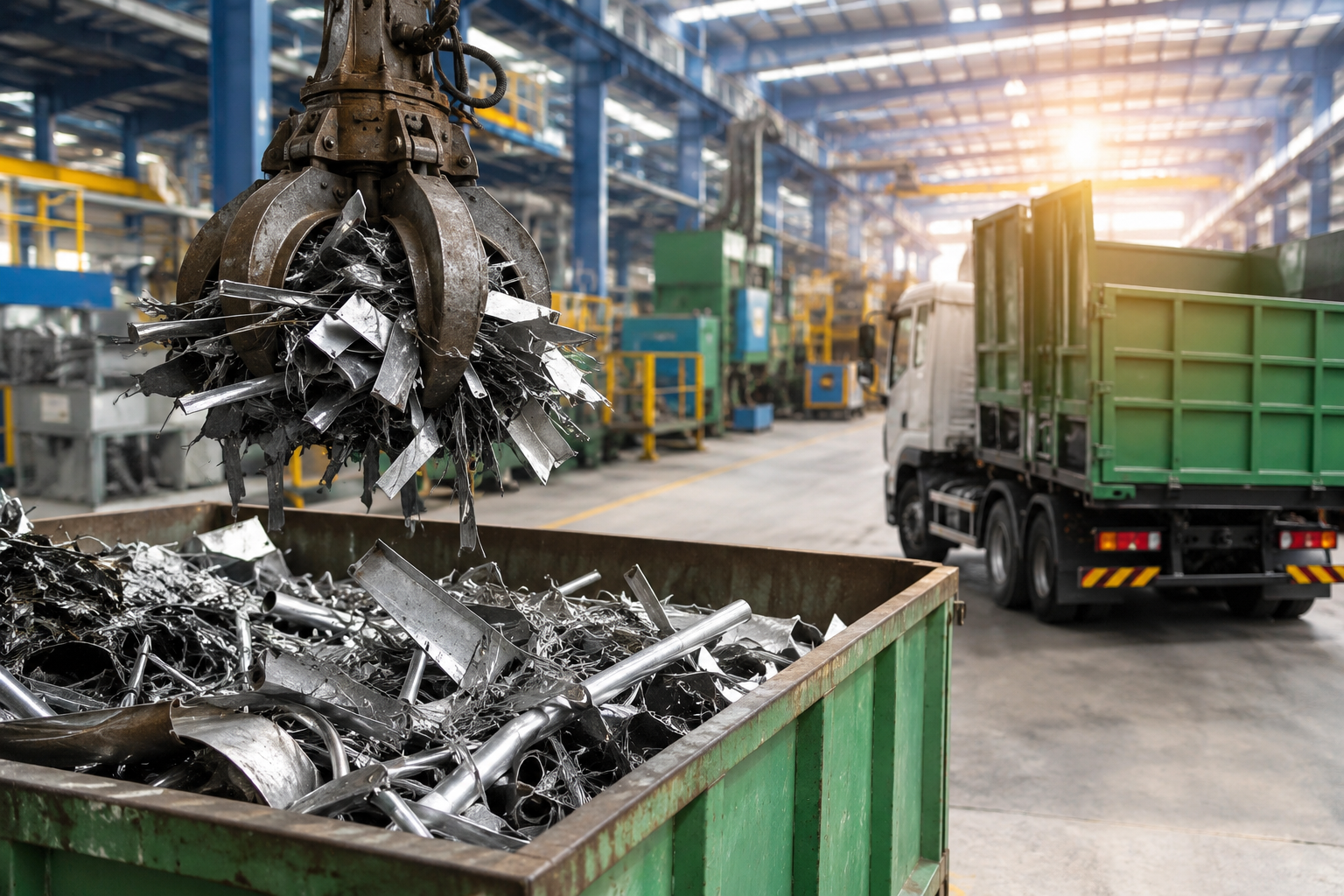
Industrial Scrap Metal Recycling Solutions in Melbourne
In today’s competitive manufacturing landscape, factories are constantly looking for ways to improve efficiency, reduce costs, and operate sustainably. One often overlooked solution is professional scrap metal collection services. Instead of treating metal waste as a burden, factories can turn it into a valuable asset that boosts overall performance.
Businesses like Boss Metal Group help factories streamline waste handling while maximizing returns from scrap materials. Let’s explore how this simple shift can significantly improve operational efficiency.
Understanding Scrap Metal in Factories
Factories generate scrap metal during daily processes such as cutting, machining, fabrication, and equipment replacement. This includes steel, aluminum, copper, and other valuable metals.
Without proper management, scrap can pile up, take up space,and disrupt workflow. Studies show that manufacturing waste can silently reduce production value by 5–12% if not managed properly.
However, with a structured collection system, scrap becomes a reusable resource rather than wasted material.
1. Reduce Operational Costs
One of the biggest advantages of scrap metal collection services is cost reduction.
Factories typically spend heavily on waste disposal, transportation, and landfill fees. By partnering with a scrap collection service, these costs can be significantly reduced or eliminated. In fact, recycling programs can recover up to 15–20% of material costs.
Instead of paying to dispose of waste, factories can earn money from it—turning a cost center into a profit stream.
2. Improve Workplace Efficiency and Organization
Unmanaged scrap metal can clutter factory floors, block pathways, and slow down operations.
Professional scrap collection services introduce organized systems such as:
- Scheduled pickups
- Designated scrap bins
- Proper sorting and storage
This improves workflow, reduces downtime, and allows employees to focus on production rather than waste handling. Proper scrap handling also prevents bottlenecks and unnecessary labor costs.
3. Maximize Space Utilization
Factory floor space is valuable. When scrap accumulates, it occupies areas that could be used for production or storage.
Regular scrap collection ensures that excess material is removed quickly, freeing up space for:
- New machinery
- Inventory storage
- Safer movement of workers
Optimizing space directly contributes to better productivity and smoother operations.
4. Generate Additional Revenue
Scrap metal is not waste—it’s a valuable commodity. Metals like copper, aluminum, and steel can be recycled and sold.
Instead of discarding leftover materials, factories can generate a steady income stream. Many businesses use this extra revenue to offset operational expenses or reinvest in growth.
This shift from waste to revenue is one of the most impactful ways scrap collection improves efficiency.
5. Enhance Safety and Compliance
Accumulated scrap metal can create serious safety hazards, including:
- Sharp edges causing injuries
- Fire risks from metal debris
- Blocked emergency exits
Professional collection services ensure that scrap is handled safely and removed regularly. They also help factories meet environmental and regulatory standards, reducing legal risks and improving audit readiness.
6. Support Sustainability Goals
Sustainability is no longer optional—it’s a business priority. Scrap metal recycling conserves natural resources and reduces energy consumption compared to producing new metal.
By using scrap collection services, factories contribute to a circular economy where materials are reused instead of discarded. This not only helps the environment but also enhances brand reputation and customer trust.
7. Streamline Supply Chain Efficiency
Recycled metal can re-enter the production cycle as raw material. This reduces dependency on expensive virgin resources and stabilizes supply chains.
A well-managed scrap system ensures consistent material flow, better inventory control, and improved production planning.
Choosing the Right Scrap Metal Collection Partner
To maximize efficiency, factories should partner with a reliable and experienced service provider. Look for:
- Timely pickup schedules
- Transparent pricing
- Proper sorting and recycling processes
- Compliance with environmental regulations
Companies like Boss Metal Group specialize in helping businesses manage scrap efficiently while maximizing value.
Conclusion
Scrap metal collection services offer more than just waste removal—they provide a strategic advantage for factories. From reducing costs and improving safety to generating revenue and enhancing sustainability, the benefits are clear.
By implementing a structured scrap management system, factories can transform waste into opportunity and achieve higher efficiency across their operations.
If your factory is still treating scrap as a problem, it’s time to rethink your approach and unlock its true potential.