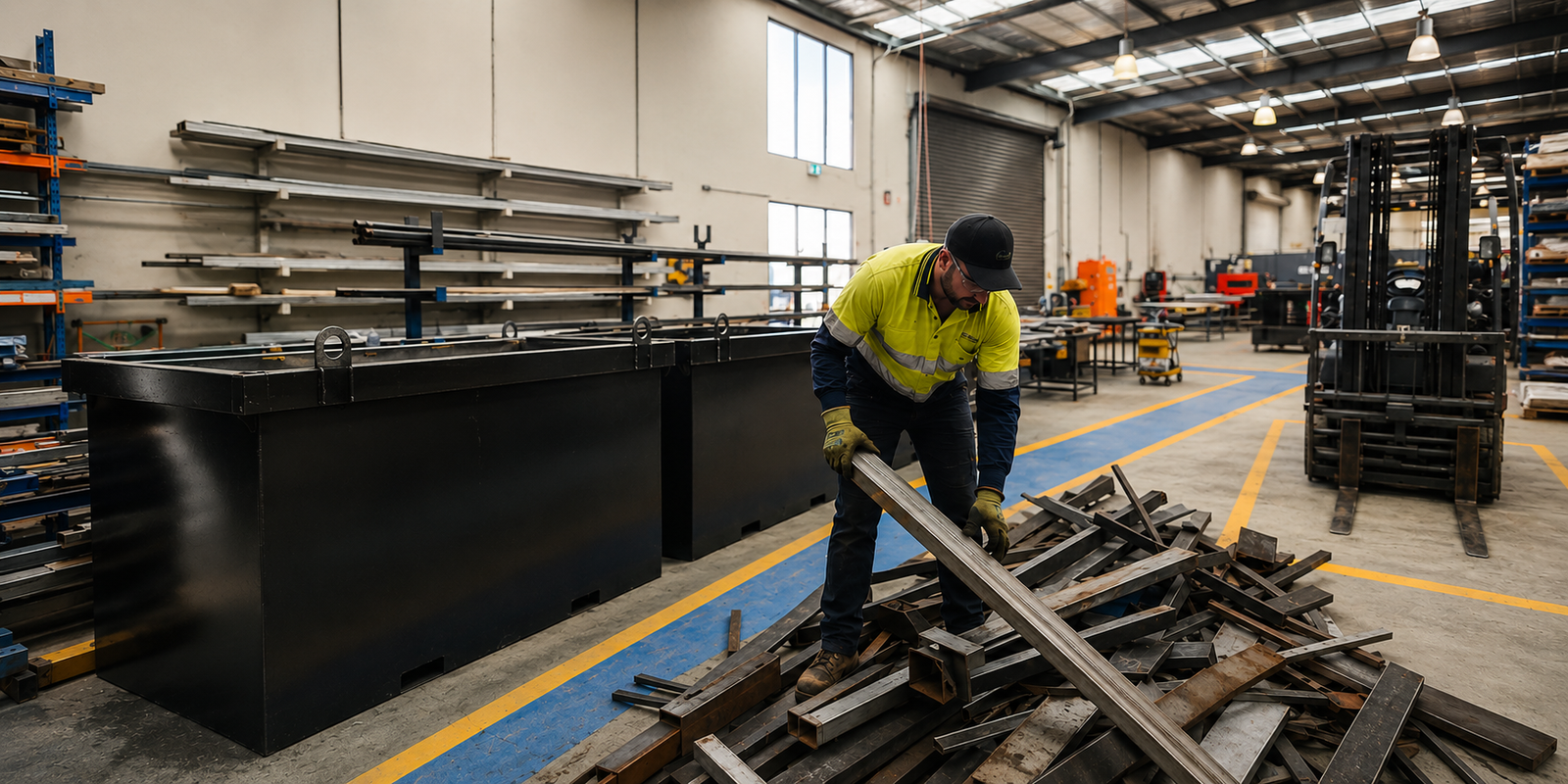
How to Manage Large-Scale Industrial Metal Waste Efficiently
Keeping a warehouse clean and organised is essential for safety, efficiency, and productivity. Over time, unwanted metal—such as old equipment, scrap parts, damaged shelving, and unused machinery—can accumulate and create hazards. A structured clean-up approach not only improves workflow but also ensures safe and responsible disposal.
In this guide, we’ll walk you through how to remove unwanted metal safely while maximising value through recycling.
Why Removing Scrap Metal Matters
Unused metal in warehouses is more than just clutter. It can pose serious risks, including injuries from sharp edges, tripping hazards, and exposure to hazardous materials. According to safety guidelines, improper handling of scrap metal can lead to cuts, burns, and accidents caused by heavy equipment or falling objects.
Additionally, metal waste should never be ignored. If not properly managed, it may be classified as hazardous waste and require special disposal procedures.
Removing unwanted metal regularly helps:
- Improve workplace safety
- Free up valuable storage space
- Increase operational efficiency
- Support environmental sustainability
Step 1: Assess and Identify Scrap Metal
Start by inspecting your warehouse thoroughly. Identify all unwanted metal items such as:
- Broken machinery
- Old tools and equipment
- Metal pallets and racks
- Construction debris
Separate recyclable metal from hazardous materials. For example, metal dust, sludge, or contaminated items may need special handling and should be stored in sealed, labelled containers.
Step 2: Sort and Organise Materials
Proper sorting is key to safe and efficient clean-up. Divide materials into categories such as:
- Ferrous metals (steel, iron)
- Non-ferrous metals (aluminium, copper)
- Hazardous or contaminated metal
Use designated bins for each type. Keeping materials organised reduces confusion, improves recycling efficiency, and ensures compliance with safety standards.
Step 3: Follow Safety Precautions
Safety should always be the top priority during warehouse clean-ups. Here are essential precautions:
- Wear Personal Protective Equipment (PPE): Gloves, safety glasses, and protective clothing help prevent injuries.
- Avoid manual lifting of heavy items: Use forklifts or cranes where necessary.
- Keep walkways clear: Remove debris continuously to reduce tripping hazards.
- Handle sharp or jagged metal carefully: These are common causes of workplace injuries.
Workplace safety data highlights that proper procedures and protective gear significantly reduce accidents in scrap handling environments.
Step 4: Remove Metal Using Proper Equipment
For large-scale clean-ups, manual removal is not practical. Use appropriate equipment such as:
- Forklifts and pallet jacks
- Magnetic lifters
- Skip bins or containers
Avoid throwing metal from heights or stacking it unsafely. Controlled removal ensures both worker safety and material integrity.
Step 5: Partner with a Professional Scrap Metal Service
Working with a reliable scrap metal collection service is the most efficient way to handle large quantities of unwanted metal. Professionals can:
- Provide bins and collection services
- Ensure safe handling and transport
- Maximise recycling value
- Help you comply with environmental regulations
For businesses in Australia, Boss Metal Group offers trusted scrap metal recycling and removal services tailored for warehouses and industrial sites.
Step 6: Maintain a Clean Warehouse
Once the clean-up is complete, implement regular maintenance practices:
- Schedule routine inspections
- Remove scrap metal promptly
- Train staff on proper waste handling
- Use clearly labelled storage areas
Good housekeeping practices—like keeping workspaces clean and reporting hazards—play a crucial role in maintaining long-term safety and efficiency.
Conclusion
A well-planned warehouse clean-up not only removes unwanted metal but also creates a safer, cleaner, and more productive working environment. By identifying scrap materials, separating different types of metal, following proper handling and safety guidelines, and keeping walkways clear, businesses can reduce potential workplace hazards and improve overall efficiency. Partnering with professional metal recycling services can also make the disposal process easier while ensuring valuable materials are recycled responsibly. Regular warehouse clean-ups help businesses maintain an organized workspace, free up valuable storage areas, improve workflow, and support more sustainable waste management practices.